Buy inumis.eu ?
We are moving the project
inumis.eu .
Are you interested in purchasing the domain
inumis.eu ?
domain@kv-gmbh.de · 0541-91531010
Buy inumis.eu ?
Are economic laws natural laws and psychological laws?
Economic laws are not natural laws in the same sense as the laws of physics or chemistry, as they are not inherent to the physical world. Instead, economic laws are principles that describe patterns and behaviors in human economic activity. Similarly, psychological laws are not natural laws, but rather principles that describe patterns and behaviors in human psychology. Both economic and psychological laws are based on human behavior and interactions, rather than the physical world, and are subject to change as human behavior and society evolve. **
Which laws are objection laws?
Objection laws are laws that allow individuals or organizations to refuse to comply with certain regulations or requirements based on their religious or moral beliefs. These laws often pertain to issues such as healthcare, employment, or services provided to the public. Critics argue that objection laws can lead to discrimination and harm certain groups of people, particularly marginalized communities. **

Similar search terms for Laws
Top-Angebote
Products related to Laws:
-
Transparent Acrylic Coin Display Stand Set Clear Coin Display Holder For Challenge Coins, Medals & Collectibles mShowcase your treasured collectibles with confidence using this acrylic coin display stand set. Designed for collectors, hobbyists, and gift givers, these clear holders provide a stable and elegant way to display coins, medals, photos, and small...34,93 $*Shipping: 0,00 $Secure redirect to the provider
-
10 Pack Acrylic Coin Display Stands Clear Challenge Coin Holders For Coins, Medals, Cards & Collectibles mShowcase your favorite collectibles with confidence using these crystalclear acrylic coin display stands. Designed to securely hold coins, medals, commemorative tokens, trading cards, photos, and other keepsakes, these transparent stands keep the...105,99 $*Shipping: 0,00 $Secure redirect to the provider
-
10PCS Clear Acrylic Display Stand Set For Coins, Medals, Trading Cards & Collectibles 10pcs SmallShowcase your favorite collectibles with this 10PCS Clear Acrylic Display Stand Set. Made from durable transparent acrylic, these stands securely hold coins, medals, challenge coins, trading cards, photos, commemorative collectibles, and small...34,97 $*Shipping: 0,00 $Secure redirect to the provider
-
10PCS Clear Acrylic Display Stand Set For Coins, Medals, Trading Cards & Collectibles 10pcs LargeShowcase your favorite collectibles with this 10PCS Clear Acrylic Display Stand Set. Made from durable transparent acrylic, these stands securely hold coins, medals, challenge coins, trading cards, photos, commemorative collectibles, and small...54,97 $*Shipping: 0,00 $Secure redirect to the provider


-
Why are there consent laws and objection laws?
Consent laws are in place to ensure that individuals have the legal capacity to give informed consent to certain activities, such as medical treatment, sexual activity, or contracts. These laws are designed to protect individuals from being coerced or manipulated into situations they do not fully understand or agree to. Objection laws, on the other hand, allow individuals to legally object to certain activities or decisions, such as medical treatment or marriage, based on their personal beliefs or values. These laws are in place to protect individuals' rights to make decisions that align with their own moral or religious convictions. Both consent and objection laws are important for safeguarding individuals' autonomy and rights. **
-
How do you distinguish good laws from fair laws?
Good laws are those that are effective in promoting the well-being and safety of society, while fair laws are those that are just and equitable in their application to all individuals. Good laws are practical and achieve their intended purpose, while fair laws are unbiased and treat all individuals equally under the law. Ultimately, a good law should also be fair, ensuring that justice is served and the rights of all individuals are protected. **
-
Who writes laws?
Laws are typically written by legislators, who are elected officials responsible for creating, amending, and repealing laws. In democratic societies, legislators are usually members of a legislative body, such as a parliament or congress, and they represent the interests of the people who elected them. The process of writing laws involves research, debate, and collaboration among legislators to ensure that the laws are fair, just, and in the best interest of society as a whole. **
-
What are NS laws?
NS laws refer to the laws and regulations that govern the use and protection of natural resources within a specific jurisdiction. These laws are designed to ensure sustainable management of resources such as water, air, land, and wildlife, balancing human needs with environmental conservation. NS laws often address issues such as pollution control, wildlife protection, land use planning, and sustainable development practices. Compliance with NS laws is essential to promote environmental sustainability and protect the natural world for future generations. **


How are the laws?
The laws are designed to maintain order and protect the rights of individuals in society. They are created through a democratic process and are enforced by the government. Laws are constantly evolving to reflect changes in society and address new challenges. Overall, the laws play a crucial role in ensuring justice and fairness for all members of the community. **
What are Faraday's laws?
Faraday's laws of electrolysis are two principles that describe the relationship between the amount of substance produced at an electrode during electrolysis and the amount of electricity passed through the electrolyte. The first law states that the amount of substance produced is directly proportional to the quantity of electricity passed through the electrolyte. The second law states that the amounts of different substances produced by the same quantity of electricity are proportional to their equivalent weights. These laws are fundamental in understanding the process of electrolysis and are named after the English scientist Michael Faraday. **
Top-Angebote
Products related to Laws:
-
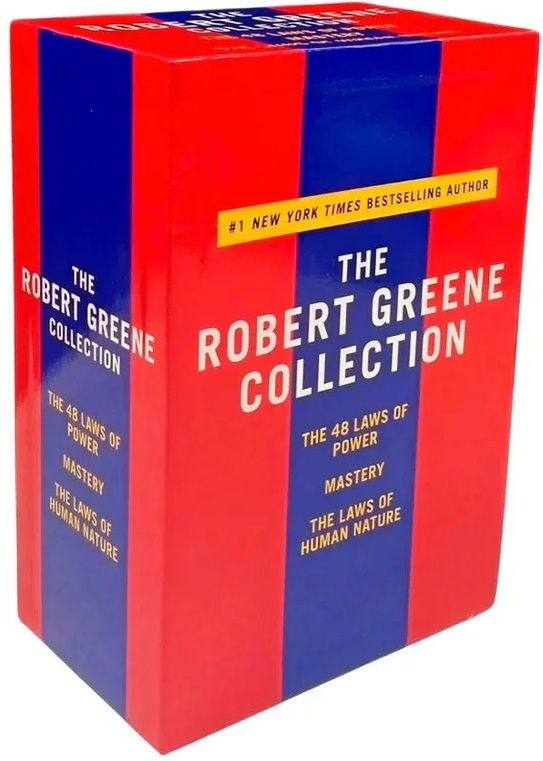
Penguin Books The Robert Greene Collection Box Set: The 48 Laws of Power, Mastery, The Laws of Human NatureA collection of three books of the #1 bestselling author Robert Greene. In The 48 Laws of Power, readers are given a practical guide for anyone who wants power, observes power, or wants to arm themselves against power. Mastery examines the lives of both historical and contemporary figures while divulging what it takes to unlock the passion within and become masters. In The Laws of Human Nature, Greene delves into strategy for success, self-improvement, and self-defense.33,99 £*Shipping: 2,99 £Secure redirect to the provider
-
10PCS Clear Acrylic Display Stand Set For Coins, Medals, Trading Cards & Collectibles 10pcs MediumShowcase your favorite collectibles with this 10PCS Clear Acrylic Display Stand Set. Made from durable transparent acrylic, these stands securely hold coins, medals, challenge coins, trading cards, photos, commemorative collectibles, and small...44,97 $*Shipping: 0,00 $Secure redirect to the provider
-
Transparent Acrylic Coin Display Stand Set Clear Coin Display Holder For Challenge Coins, Medals & Collectibles mShowcase your treasured collectibles with confidence using this acrylic coin display stand set. Designed for collectors, hobbyists, and gift givers, these clear holders provide a stable and elegant way to display coins, medals, photos, and small...34,93 $*Shipping: 0,00 $Secure redirect to the provider
-
10 Pack Acrylic Coin Display Stands Clear Challenge Coin Holders For Coins, Medals, Cards & Collectibles mShowcase your favorite collectibles with confidence using these crystalclear acrylic coin display stands. Designed to securely hold coins, medals, commemorative tokens, trading cards, photos, and other keepsakes, these transparent stands keep the...105,99 $*Shipping: 0,00 $Secure redirect to the provider
-
Are economic laws natural laws and psychological laws?
Economic laws are not natural laws in the same sense as the laws of physics or chemistry, as they are not inherent to the physical world. Instead, economic laws are principles that describe patterns and behaviors in human economic activity. Similarly, psychological laws are not natural laws, but rather principles that describe patterns and behaviors in human psychology. Both economic and psychological laws are based on human behavior and interactions, rather than the physical world, and are subject to change as human behavior and society evolve. **
-
Which laws are objection laws?
Objection laws are laws that allow individuals or organizations to refuse to comply with certain regulations or requirements based on their religious or moral beliefs. These laws often pertain to issues such as healthcare, employment, or services provided to the public. Critics argue that objection laws can lead to discrimination and harm certain groups of people, particularly marginalized communities. **
-
Why are there consent laws and objection laws?
Consent laws are in place to ensure that individuals have the legal capacity to give informed consent to certain activities, such as medical treatment, sexual activity, or contracts. These laws are designed to protect individuals from being coerced or manipulated into situations they do not fully understand or agree to. Objection laws, on the other hand, allow individuals to legally object to certain activities or decisions, such as medical treatment or marriage, based on their personal beliefs or values. These laws are in place to protect individuals' rights to make decisions that align with their own moral or religious convictions. Both consent and objection laws are important for safeguarding individuals' autonomy and rights. **
-
How do you distinguish good laws from fair laws?
Good laws are those that are effective in promoting the well-being and safety of society, while fair laws are those that are just and equitable in their application to all individuals. Good laws are practical and achieve their intended purpose, while fair laws are unbiased and treat all individuals equally under the law. Ultimately, a good law should also be fair, ensuring that justice is served and the rights of all individuals are protected. **
Similar search terms for Laws
-
10PCS Clear Acrylic Display Stand Set For Coins, Medals, Trading Cards & Collectibles 10pcs SmallShowcase your favorite collectibles with this 10PCS Clear Acrylic Display Stand Set. Made from durable transparent acrylic, these stands securely hold coins, medals, challenge coins, trading cards, photos, commemorative collectibles, and small...34,97 $*Shipping: 0,00 $Secure redirect to the provider
-
10PCS Clear Acrylic Display Stand Set For Coins, Medals, Trading Cards & Collectibles 10pcs LargeShowcase your favorite collectibles with this 10PCS Clear Acrylic Display Stand Set. Made from durable transparent acrylic, these stands securely hold coins, medals, challenge coins, trading cards, photos, commemorative collectibles, and small...54,97 $*Shipping: 0,00 $Secure redirect to the provider
-
Transparent Acrylic Coin Display Stand Set Clear Coin Display Holder For Challenge Coins, Medals & Collectibles sShowcase your treasured collectibles with confidence using this acrylic coin display stand set. Designed for collectors, hobbyists, and gift givers, these clear holders provide a stable and elegant way to display coins, medals, photos, and small...34,93 $*Shipping: 0,00 $Secure redirect to the provider
-
Transparent Acrylic Coin Display Stand Set Clear Coin Display Holder For Challenge Coins, Medals & Collectibles lShowcase your treasured collectibles with confidence using this acrylic coin display stand set. Designed for collectors, hobbyists, and gift givers, these clear holders provide a stable and elegant way to display coins, medals, photos, and small...39,97 $*Shipping: 0,00 $Secure redirect to the provider
-
Who writes laws?
Laws are typically written by legislators, who are elected officials responsible for creating, amending, and repealing laws. In democratic societies, legislators are usually members of a legislative body, such as a parliament or congress, and they represent the interests of the people who elected them. The process of writing laws involves research, debate, and collaboration among legislators to ensure that the laws are fair, just, and in the best interest of society as a whole. **
-
What are NS laws?
NS laws refer to the laws and regulations that govern the use and protection of natural resources within a specific jurisdiction. These laws are designed to ensure sustainable management of resources such as water, air, land, and wildlife, balancing human needs with environmental conservation. NS laws often address issues such as pollution control, wildlife protection, land use planning, and sustainable development practices. Compliance with NS laws is essential to promote environmental sustainability and protect the natural world for future generations. **
-
How are the laws?
The laws are designed to maintain order and protect the rights of individuals in society. They are created through a democratic process and are enforced by the government. Laws are constantly evolving to reflect changes in society and address new challenges. Overall, the laws play a crucial role in ensuring justice and fairness for all members of the community. **
-
What are Faraday's laws?
Faraday's laws of electrolysis are two principles that describe the relationship between the amount of substance produced at an electrode during electrolysis and the amount of electricity passed through the electrolyte. The first law states that the amount of substance produced is directly proportional to the quantity of electricity passed through the electrolyte. The second law states that the amounts of different substances produced by the same quantity of electricity are proportional to their equivalent weights. These laws are fundamental in understanding the process of electrolysis and are named after the English scientist Michael Faraday. **
* All prices are inclusive of VAT and, if applicable, plus shipping costs. The offer information is based on the details provided by the respective shop and is updated through automated processes. Real-time updates do not occur, so deviations can occur in individual cases. ** Note: Parts of this content were created by AI.