Buy inumis.eu ?
We are moving the project
inumis.eu .
Are you interested in purchasing the domain
inumis.eu ?
domain@kv-gmbh.de · 0541-91531010
Buy inumis.eu ?
What are raspberry bushes?
Raspberry bushes are perennial plants that produce delicious, sweet-tart berries. They are part of the rose family and are known for their thorny canes and vibrant red, black, or golden berries. Raspberry bushes can be grown in home gardens and are popular for their tasty fruit, which can be eaten fresh, used in baking, or made into jams and preserves. They require well-drained soil and plenty of sunlight to thrive. **
What is in the bushes?
In the bushes, you may find a variety of things such as small animals like birds, insects, or rodents seeking shelter or food. Additionally, there could be plant life like flowers, berries, or leaves. Depending on the location, you may also find hidden objects or debris that has been discarded or blown into the bushes. Overall, the bushes can be a diverse and dynamic ecosystem that supports various forms of life. **

Similar search terms for Bushes
Top-Angebote
Products related to Bushes:
-
GLYCO 55-4444 SEMI Small End Bushes, connecting rodWidth [mm]: 32,0; Component Number: 66494Y; Processing: Semi; TecDoc Engine Number: 1113, 17094, 1114, 1116, 1115, 1117, 1120, 1118, 4430, 1119, 15210, 4436, 15209, 4426, 4428, 15211, 15212, 15213, 4432, 4433, 15214, 4424, 39573, 12093, 16250, 4434, 32686, 26911, 26914, 24086, 25270, 24081, 24080, 240825,29 £*Shipping: 8,45 £Secure redirect to the provider
-
GLYCO 55-3280 SEMI Small End Bushes, connecting rodWidth [mm]: 25,0; Component Number: 55-3280; Processing: Semi; TecDoc Engine Number: 10048, 10287, 10288, 10289, 10290, 20957, 20958, 20959, 21393, 21394, 21395, 27826, 27827, 27828, 27829, 27872, 27873, 27874, 27879, 27880, 27881, 27882, 27883, 27884, 27891, 27892, 27893, 27894, 27898, 27899, 27900, 27901, 27902, 27903, 27904, 27905, 27906, 27910, 27912, 27913, 28033, 28034, 29179, 2944, 2945, 2946, 2947, 5403, 5404, 5407, 5408, 5409, 5410, 5411, 5412, 5413, 5414, 5416, 5418, 5419, 5420, 5421, 5422; Construction Year to: 08/19676,29 £*Shipping: 8,45 £Secure redirect to the provider
-
GLYCO 55-3625 SEMI Small End Bushes, connecting rodWidth [mm]: 21,9; Component Number: 55-3625; Processing: Semi; TecDoc Engine Number: 2206, 2211, 2216, 2207, 2212, 2229, 2217, 2218, 2219, 2230, 2221, 2223, 2226, 2210, 2215, 2054, 2220, 2225, 2208, 2227, 2228, 8942, 22700, 5400, 8032, 4676, 4678, 4680, 4679, 5398, 4674, 4675, 5238, 4677, 9425, 2213, 9416, 3612, 9892, 2214, 9424, 12910, 9422, 22920, 21112, 22917, 22914, 22909, 22985, 26681, 3613, 19846, 8041, 5682, 6020, 2209, 2222, 17818, 8014, 14670, 14672, 8013, 16185, 17819, 17822; Construction Year to: 06/1995; Construction Year from: 09/1996, 03/1997, 12/19966,99 £*Shipping: 8,45 £Secure redirect to the provider


-
Can you graft butterfly bushes?
Yes, butterfly bushes can be grafted, but it is not a common practice. Grafting is typically done to combine the desirable traits of two different plants, such as disease resistance or flower color. However, butterfly bushes are usually propagated through cuttings or seeds because they are easy to grow and propagate in these ways. If you are interested in grafting butterfly bushes, it is recommended to consult with a horticulturist or plant specialist for guidance on the process. **
-
Should I prune the bushes now?
It depends on the type of bushes you have and the time of year. In general, it is best to prune bushes during their dormant season to promote healthy growth. For most bushes, late winter or early spring before new growth begins is the ideal time for pruning. However, it is always a good idea to research the specific pruning needs of your particular bushes to ensure you are pruning them at the right time for optimal health and growth. **
-
When can you prune currant bushes?
Currant bushes should be pruned during late winter or early spring while they are still dormant. This is typically between late February and early April, before new growth begins. Pruning during this time helps promote healthy growth and fruit production during the growing season. It is important to avoid pruning currant bushes during the fall or summer, as this can reduce the plant's ability to produce fruit. **
-
When should currant bushes be pruned?
Currant bushes should be pruned during late winter or early spring while they are still dormant. This is typically between late February and early April, before new growth begins. Pruning during this time helps promote healthy growth, improve air circulation, and increase fruit production. It is important to prune currant bushes annually to maintain their shape and productivity. **


Why do certain bushes not grow?
Certain bushes may not grow due to various factors such as poor soil quality, lack of sunlight, insufficient water, or extreme weather conditions. Additionally, pests or diseases can also hinder the growth of bushes. It is important to identify the specific reason why a certain bush is not growing in order to address the issue and promote healthy growth. **
How do you braid currant bushes?
To braid currant bushes, start by selecting three healthy and flexible branches that are about the same thickness. Gently bend the branches together and begin braiding them, crossing the left branch over the middle branch, then the right branch over the new middle branch, and so on. As you braid, make sure to keep the branches close together and avoid twisting or breaking them. Once you reach the end of the branches, secure the braid with a piece of twine or a flexible tie. This technique helps to train the branches and create a decorative and organized appearance for the currant bushes. **
Top-Angebote
Products related to Bushes:
-
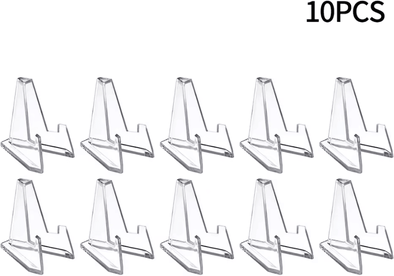
Inspire Curations 10 Pack Acrylic Coin Display Stands Clear Challenge Coin Holders For Coins, Medals, Cards & Collectibles sShowcase your favorite collectibles with confidence using these crystalclear acrylic coin display stands. Designed to securely hold coins, medals, commemorative tokens, trading cards, photos, and other keepsakes, these transparent stands keep the...90,99 $*Shipping: 0,00 $Secure redirect to the provider
-
GLYCO 55-4444 SEMI Small End Bushes, connecting rodWidth [mm]: 32,0; Component Number: 66494Y; Processing: Semi; TecDoc Engine Number: 1113, 17094, 1114, 1116, 1115, 1117, 1120, 1118, 4430, 1119, 15210, 4436, 15209, 4426, 4428, 15211, 15212, 15213, 4432, 4433, 15214, 4424, 39573, 12093, 16250, 4434, 32686, 26911, 26914, 24086, 25270, 24081, 24080, 240825,29 £*Shipping: 8,45 £Secure redirect to the provider
-
What are raspberry bushes?
Raspberry bushes are perennial plants that produce delicious, sweet-tart berries. They are part of the rose family and are known for their thorny canes and vibrant red, black, or golden berries. Raspberry bushes can be grown in home gardens and are popular for their tasty fruit, which can be eaten fresh, used in baking, or made into jams and preserves. They require well-drained soil and plenty of sunlight to thrive. **
-
What is in the bushes?
In the bushes, you may find a variety of things such as small animals like birds, insects, or rodents seeking shelter or food. Additionally, there could be plant life like flowers, berries, or leaves. Depending on the location, you may also find hidden objects or debris that has been discarded or blown into the bushes. Overall, the bushes can be a diverse and dynamic ecosystem that supports various forms of life. **
-
Can you graft butterfly bushes?
Yes, butterfly bushes can be grafted, but it is not a common practice. Grafting is typically done to combine the desirable traits of two different plants, such as disease resistance or flower color. However, butterfly bushes are usually propagated through cuttings or seeds because they are easy to grow and propagate in these ways. If you are interested in grafting butterfly bushes, it is recommended to consult with a horticulturist or plant specialist for guidance on the process. **
-
Should I prune the bushes now?
It depends on the type of bushes you have and the time of year. In general, it is best to prune bushes during their dormant season to promote healthy growth. For most bushes, late winter or early spring before new growth begins is the ideal time for pruning. However, it is always a good idea to research the specific pruning needs of your particular bushes to ensure you are pruning them at the right time for optimal health and growth. **
Similar search terms for Bushes
-
GLYCO 55-3280 SEMI Small End Bushes, connecting rodWidth [mm]: 25,0; Component Number: 55-3280; Processing: Semi; TecDoc Engine Number: 10048, 10287, 10288, 10289, 10290, 20957, 20958, 20959, 21393, 21394, 21395, 27826, 27827, 27828, 27829, 27872, 27873, 27874, 27879, 27880, 27881, 27882, 27883, 27884, 27891, 27892, 27893, 27894, 27898, 27899, 27900, 27901, 27902, 27903, 27904, 27905, 27906, 27910, 27912, 27913, 28033, 28034, 29179, 2944, 2945, 2946, 2947, 5403, 5404, 5407, 5408, 5409, 5410, 5411, 5412, 5413, 5414, 5416, 5418, 5419, 5420, 5421, 5422; Construction Year to: 08/19676,29 £*Shipping: 8,45 £Secure redirect to the provider
-
GLYCO 55-3625 SEMI Small End Bushes, connecting rodWidth [mm]: 21,9; Component Number: 55-3625; Processing: Semi; TecDoc Engine Number: 2206, 2211, 2216, 2207, 2212, 2229, 2217, 2218, 2219, 2230, 2221, 2223, 2226, 2210, 2215, 2054, 2220, 2225, 2208, 2227, 2228, 8942, 22700, 5400, 8032, 4676, 4678, 4680, 4679, 5398, 4674, 4675, 5238, 4677, 9425, 2213, 9416, 3612, 9892, 2214, 9424, 12910, 9422, 22920, 21112, 22917, 22914, 22909, 22985, 26681, 3613, 19846, 8041, 5682, 6020, 2209, 2222, 17818, 8014, 14670, 14672, 8013, 16185, 17819, 17822; Construction Year to: 06/1995; Construction Year from: 09/1996, 03/1997, 12/19966,99 £*Shipping: 8,45 £Secure redirect to the provider
-
GLYCO 55-3898 SEMI Small End Bushes, connecting rodWidth [mm]: 21,9; Component Number: 55-3898, G-149; Processing: Semi; TecDoc Engine Number: 17543, 15455, 9529, 17005, 20334, 14350, 15454, 17009, 15461, 15449, 15451, 17730, 17729, 17731, 21142, 21145, 17007, 17008, 17323, 18129, 17187, 17544, 17328, 17542, 18289, 24573, 20921, 22844, 22140, 20730, 23620, 23618, 26257, 20362, 20984, 20360, 22694, 28091, 32464, 34997, 16895, 25649; Engine Code: OM 611.9625,99 £*Shipping: 8,45 £Secure redirect to the provider
-
MAHLE 001 BB 20040 300 Small End Bushes, connecting rodProcessing: Semi; for bearing clearance up to [mm]: 0,029; for bearing clearance from [mm]: 0,018; for housing diameter from [mm]: 32,5; for housing diameter up to [mm]: 32,525; Width from [mm]: 21,6; Width to [mm]: 21,9; Packaging height [cm]: 2,60; Net Weight [g]: 25; Packaging length [cm]: 6,7; Packaging width [cm]: 6,70; Required quantity: 5, 4, 6; TecDoc Engine Number: 15449, 17542, 18289, 20984; Engine Code: OM 611.962, OM 646.9816,29 £*Shipping: 8,45 £Secure redirect to the provider
-
When can you prune currant bushes?
Currant bushes should be pruned during late winter or early spring while they are still dormant. This is typically between late February and early April, before new growth begins. Pruning during this time helps promote healthy growth and fruit production during the growing season. It is important to avoid pruning currant bushes during the fall or summer, as this can reduce the plant's ability to produce fruit. **
-
When should currant bushes be pruned?
Currant bushes should be pruned during late winter or early spring while they are still dormant. This is typically between late February and early April, before new growth begins. Pruning during this time helps promote healthy growth, improve air circulation, and increase fruit production. It is important to prune currant bushes annually to maintain their shape and productivity. **
-
Why do certain bushes not grow?
Certain bushes may not grow due to various factors such as poor soil quality, lack of sunlight, insufficient water, or extreme weather conditions. Additionally, pests or diseases can also hinder the growth of bushes. It is important to identify the specific reason why a certain bush is not growing in order to address the issue and promote healthy growth. **
-
How do you braid currant bushes?
To braid currant bushes, start by selecting three healthy and flexible branches that are about the same thickness. Gently bend the branches together and begin braiding them, crossing the left branch over the middle branch, then the right branch over the new middle branch, and so on. As you braid, make sure to keep the branches close together and avoid twisting or breaking them. Once you reach the end of the branches, secure the braid with a piece of twine or a flexible tie. This technique helps to train the branches and create a decorative and organized appearance for the currant bushes. **
* All prices are inclusive of VAT and, if applicable, plus shipping costs. The offer information is based on the details provided by the respective shop and is updated through automated processes. Real-time updates do not occur, so deviations can occur in individual cases. ** Note: Parts of this content were created by AI.